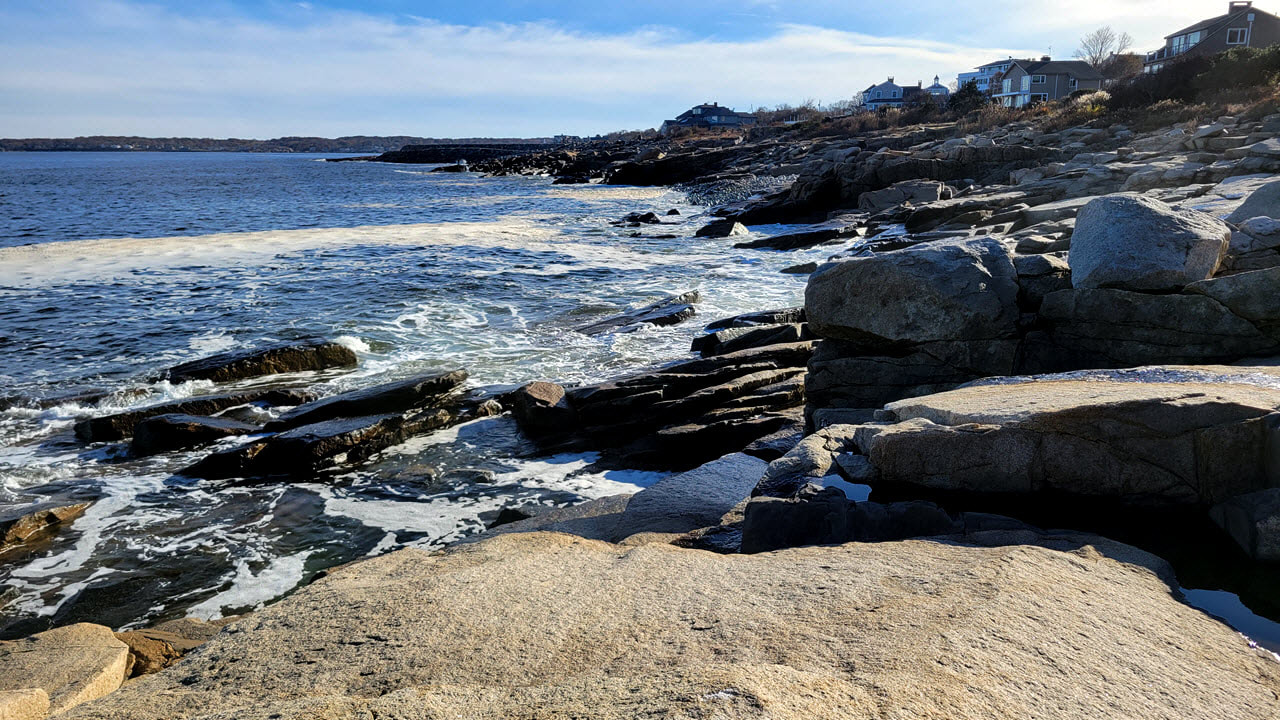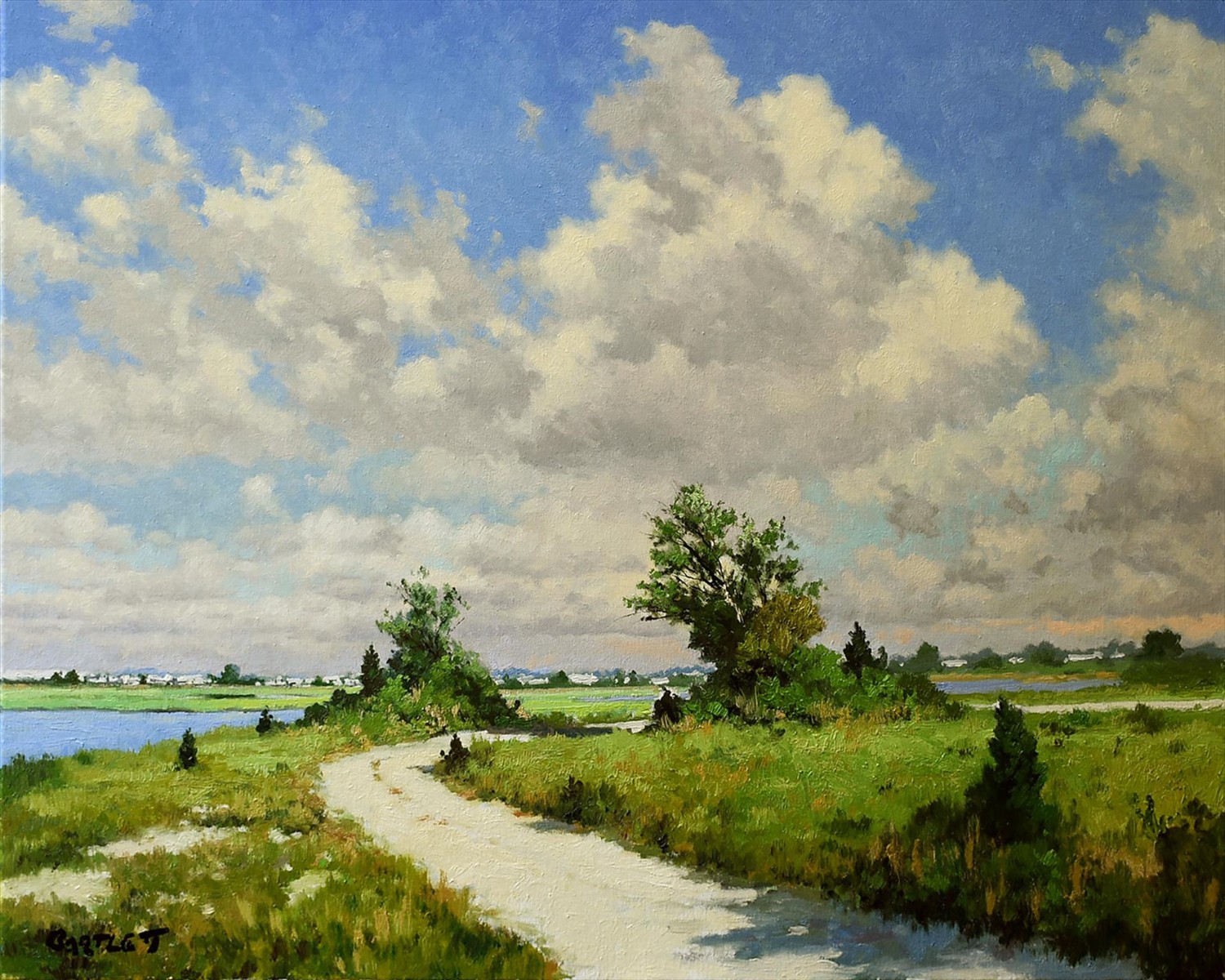
Discover one of Cape Ann’s most breathtaking natural treasures—right in our backyard. Halibut Point State Park offers sweeping ocean vistas, dramatic rocky coastline, and a rich history that spans indigenous communities, early settlers, and New England’s granite‑quarrying era.
From the coastline and granite overlook you will see sweeping views of:
Crane Beach in Ipswich
Mount Agamenticus in Maine
The Dry Salvages off Rockport
The Isles of Shoals
Tip from our staff: Visit the park right before sunset for one of the most spectacular sunset viewings on Cape Ann, and a perfect location for watching the Northern Lights when active.
Halibut Point State Park encompasses sixty‑seven acres of some of the most breathtaking landscape on Cape Ann, and the Emerson Inn by the Sea is privileged to call it our “backyard.” Guests can walk the same Atlantic shoreline path to the park that philosopher Ralph Waldo Emerson did a century ago.
The reservation’s history is equally remarkable. The first known visitors were the Pawtucket Indians, who migrated seasonally to this region and nearby Crane Beach to gather fish and berries. Although little is documented about their daily life, many local place‑names—such as Nashua, Chebacco, Agawam, and Massachusetts (which means “by the range of hills”)—derive from their Eastern Algonquin language, as do the names of several animals, including chipmunk and raccoon.
Despite its name, Halibut Point is not related to the Atlantic halibut. Instead, its origin is nautical: when boats from Maine reached the treacherous point, captains would call out “Haul-about!” to adjust their sails and safely navigate toward Rockport Harbor.
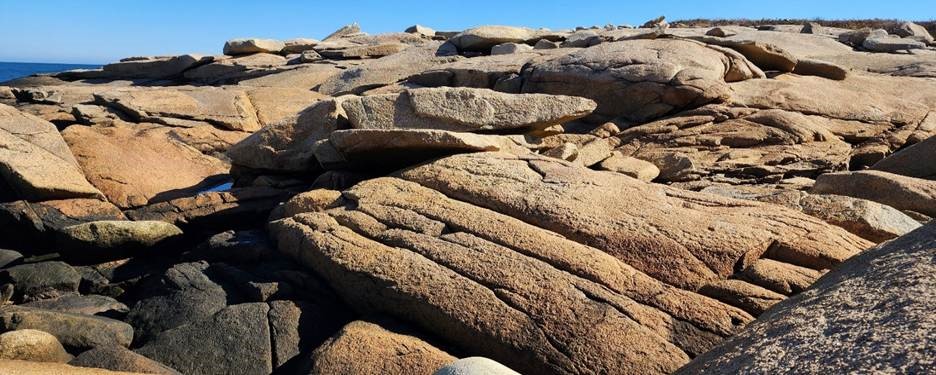
Sea Rocks, 440-million-year-old granite ledges.
The stunning shoreline drew settlers after 1690, who used the land for farming and cattle grazing. One of the earliest surviving homes, built in 1702 by weaver Samuel Gott, still stands near the park and is listed on the National Register of Historic Places.
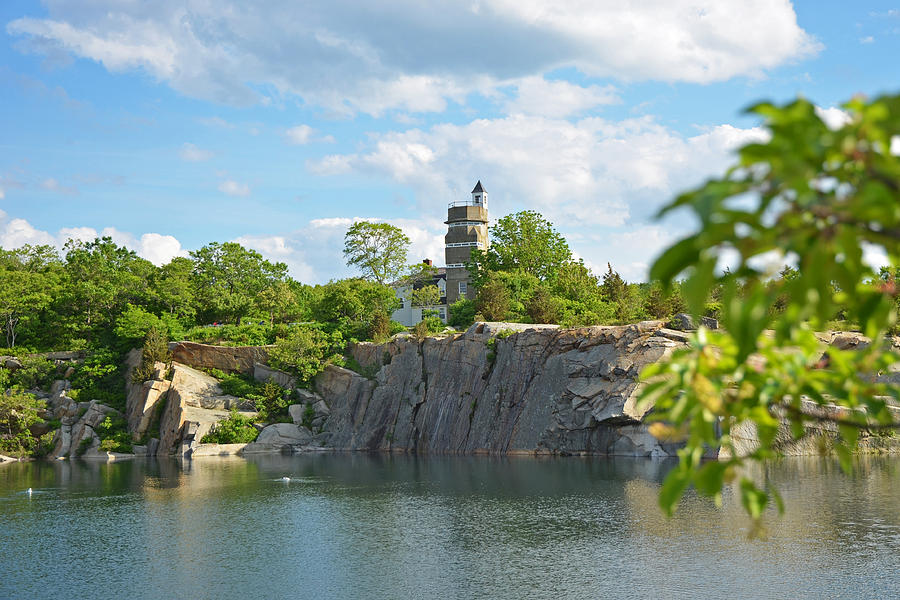
Babson Quarry is filled with ground water today, but at its peak, the quarry was a massive operation for the Rockport Granite Company as historical photos document in the Visitor Centrum.
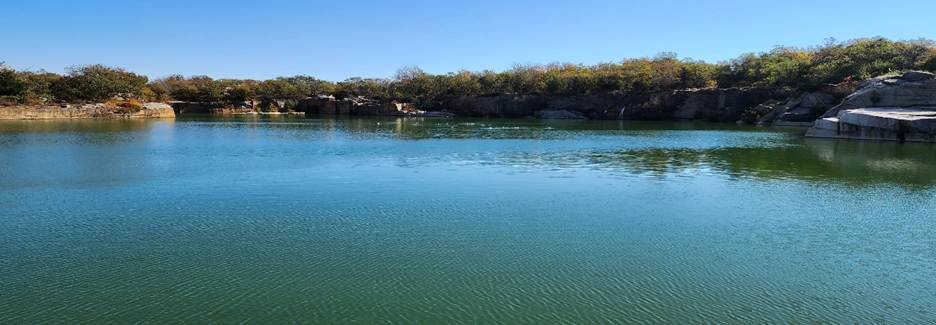
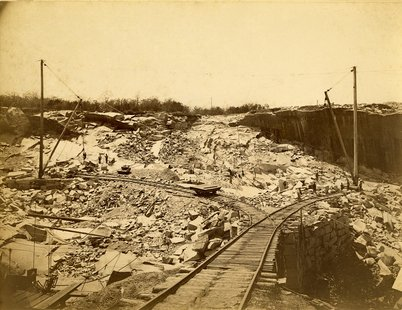
By the late 17th century, Babson Farm had been established on the site. In 1840, the land transitioned into Babson Quarry. Quarrying profoundly shaped the moraine landscape of Cape Ann, where workers—many of Norwegian and Swedish heritage—drilled dog holes and maneuvered heavy granite slabs with derricks. Local granite was used in iconic structures including Boston’s Longfellow Bridge and Custom House Tower, New York’s Holland Tunnel and Brooklyn Bridge, and even a fountain in Washington, D.C. The Great Depression in 1929 brought the quarrying industry to a halt, shifting Cape Ann’s economy toward fishing and tourism.
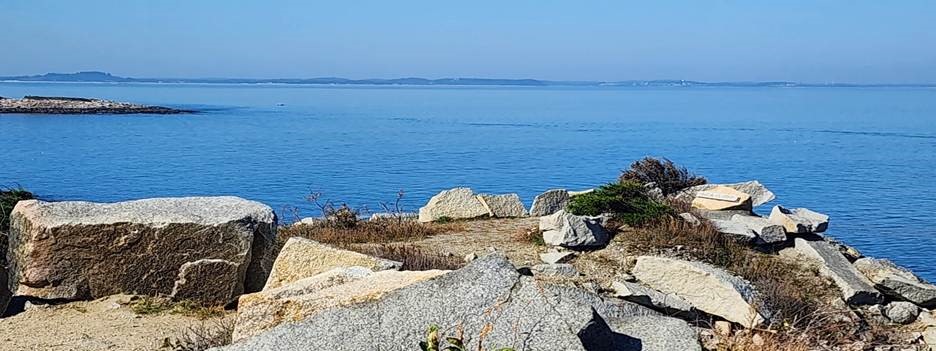
From top of Granite Pile birdwatchers regularly monitor Roseate Terns, Double-crested Cormorants, Great Cormorants, Harlequin Ducks, and Northern Gannets as they fly by.
The end of quarrying also contributed to the abandonment of the ambitious Sandy Bay Breakwater project, which, if completed, might have transformed Rockport into a major harbor competing with Boston. From the overlook atop the Grout Pile—an immense mound of discarded as well of unused granite from the unfinished project—you can see a nine‑foot section of the breakwater rising from the ocean. The structure was intended to stretch 9,100 feet, but only about 6,100 feet were completed, most of which remains underwater. This is perfectly viewable from any of the oceanview guestrooms or anywhere overlooking the lawn of The Emerson Inn.
The Sandy Bay Breakwater, meant to be a protective wall of a massive, unfinished federal project intended to create a 1,600-acre National Harbor of Refuge. Almost entire structure of 20-ton granite blocks is underwater.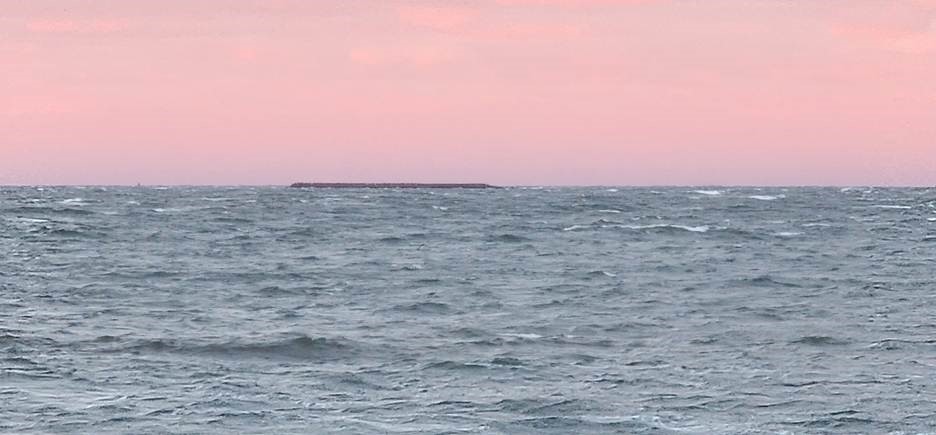
Construction of the breakwater began in 1885 under the direction of the U.S. Army Corps of Engineers. Over two million tons of cut stone were placed over the course of thirty years onto scows and slopes above nearly a thousand acres of sea bottom. In 1911, with the project behind schedule and vastly over budget, the federal government discontinued funding. The result is a striking but unfinished barrier—visible from the Emerson Inn—that was once designed to be a refuge for ships but is now a man‑made hazard.
During World War II, the tall fire tower in the park served as a lookout for German ships and submarines as part of the northern coastal defense system. After the war, nature slowly reclaimed the rugged landscape after centuries of quarrying. In 1934, The Trustees of Reservations acquired the first portion of the land, ensuring its protection. Today, Halibut Point State Park is jointly owned and managed by The Trustees of Reservations and the Massachusetts Department of Conservation and Recreation. The Town of Rockport owns Sea Rocks.
The visitor center was renovated in 2019, and is open Memorial day – Labor day daily from 8am-8pm. It is also the location of the Gloucester Area Astronomy Club's Star parties that happen when the sky is dark and their members can assemble their impressive collections of telescopes.
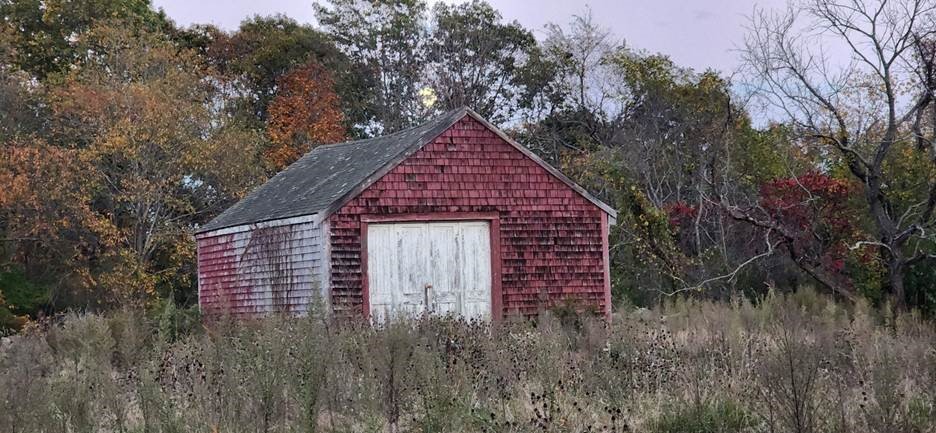
Wild, native wildflower meadows designed as a part of a landscape restoration effort to enhance biodiversity, and replace high-maintenance, non-native lawns with pollinator-friendly habitat.
From the Granite Pile, visitors enjoy panoramic views of Crane Beach in Ipswich, Mount Agamenticus in Maine, the Salvages offshore Rockport, and the Isles of Shoals—made infamous by the 1873 axe murders on Smuttynose Island.
Interesting fact: Halibut Point is the closest place in the continental U.S. to continental Europe.
Visitor Information
You can easily drive to Halibut Point State Park or take the short walk from the Emerson Inn by the Sea. Follow Granite St, or take parts of the Atlantic Path for a longer and more scenic adventure.
Daily parking fees apply from May 24 through October 13.
MA Vehicles: $5, Non‑MA Vehicles: $20
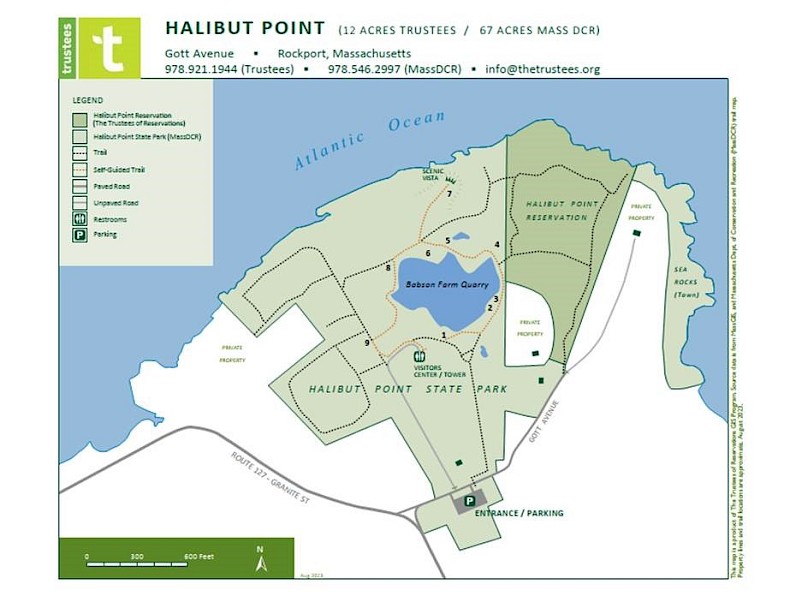
You can learn more, download maps, and explore current exhibitions and programs on the state website:
https://www.mass.gov/locations/halibut-point-state-park
https://thetrustees.org/wp-content/uploads/2024/07/halibut-point-trail-map.pdf
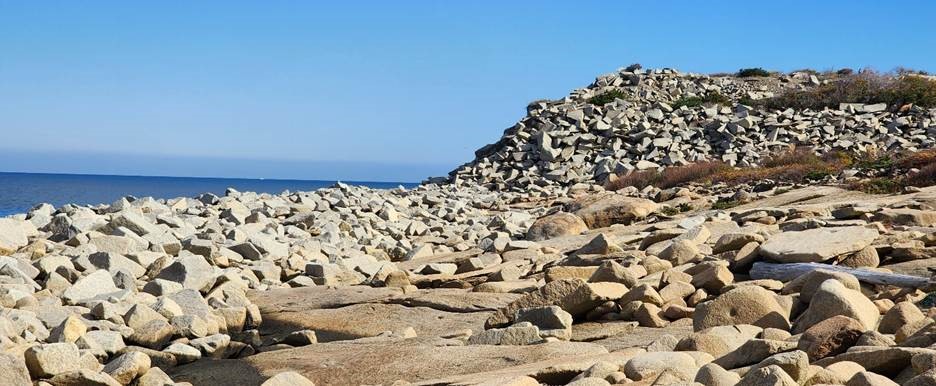
Granite Pile is made of granite slabs discarded of not-suitability as a high-quality building stone. You can read more about it in the Halibut Point State Park blog.
https://halibutpoint.wordpress.com/category/history/